Assisted Living vs. Nursing Home Costs in O'Fallon, Illinois
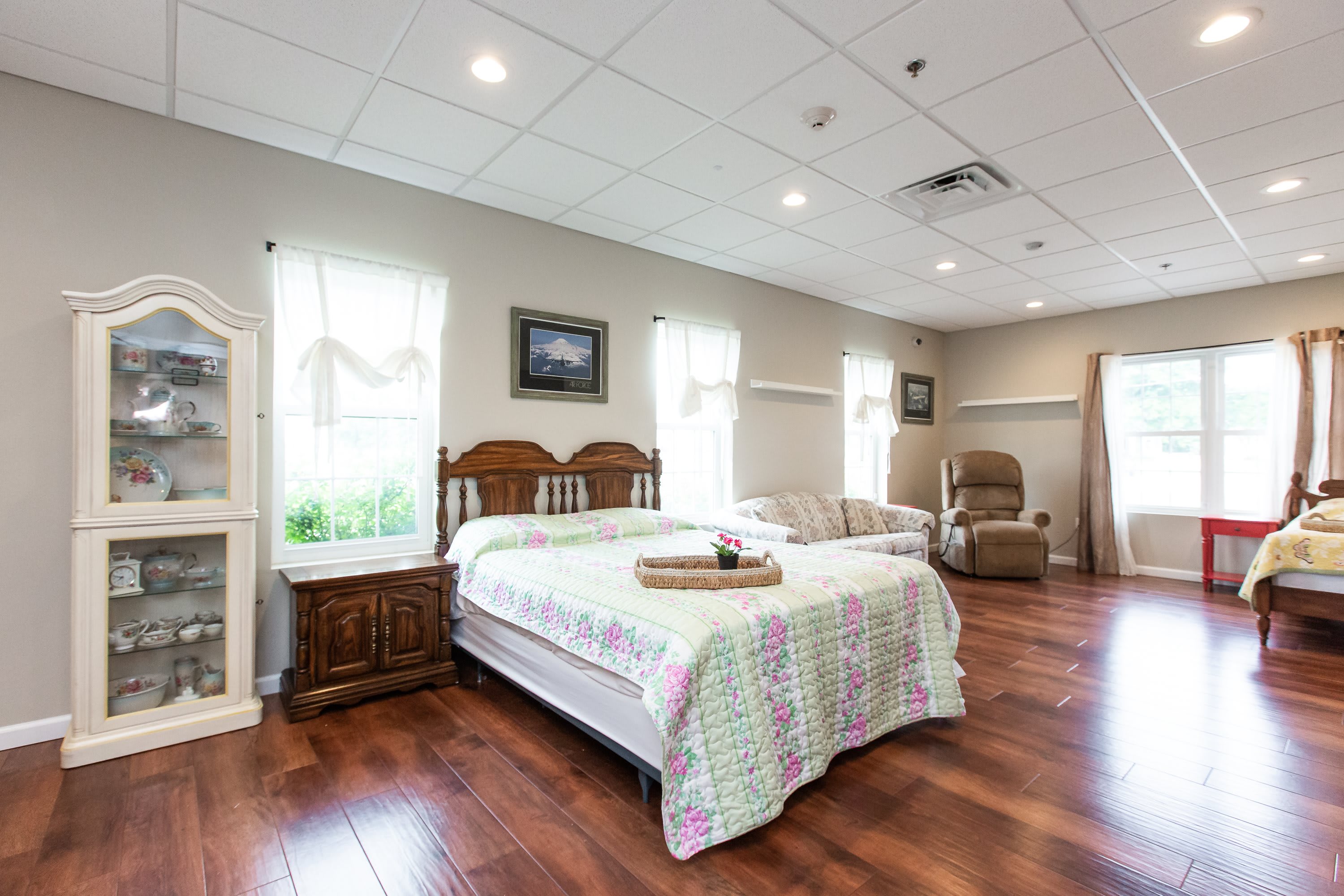
When a parent's needs grow, O'Fallon families often weigh two options: assisted living or a nursing home. The two are often discussed together, but they serve different needs and carry very different price tags. This guide compares 2025 costs for the St. Louis area, which includes O'Fallon and St. Clair County, explains what each setting provides, and outlines how payment differs.
The 2025 numbers
CareScout's 2025 Cost of Care Survey reports these monthly medians for the St. Louis metro area (CareScout Cost of Care tool):
| Type of care (St. Louis area, 2025) | Monthly median | Yearly equivalent |
|---|---|---|
| Assisted living | $6,050 | $72,600 |
| Nursing home, semi-private room | $8,060 | $96,720 |
| Nursing home, private room | $9,247 | $110,964 |
For Illinois as a whole, the 2025 medians were $6,219 a month for assisted living, $8,304 for a semi-private nursing home room, and $9,216 for a private room (Genworth and CareScout 2025 Cost of Care Survey summary, PDF).
The monthly difference
Using the St. Louis-area medians:
- A semi-private nursing home room costs about $2,010 more a month than assisted living, or about $24,120 a year.
- A private nursing home room costs about $3,197 more a month, or about $38,364 a year.
Those are medians. Actual prices vary, and assisted living rates often rise with care needs. Always ask each provider for a written quote.
What the price difference pays for
The cost gap reflects a real difference in care.
Assisted living in Illinois provides a home-like setting with mandatory services set by state law, including three meals a day, housekeeping, laundry, 24-hour security, an emergency communication response system, and help with activities of daily living as each resident requires (210 ILCS 9/10).
Nursing homes provide 24-hour skilled nursing care and medical supervision. They serve people who need ongoing nursing services, such as complex wound care, IV medications, or care after a serious illness.
Illinois law also limits who can live in assisted living. Under the Assisted Living and Shared Housing Act, establishments may not accept or keep residents who need, for example, total assistance with two or more activities of daily living, or routine insulin injections unless self-administered or given by a licensed health care professional, among other conditions (210 ILCS 9/75). When a person's needs pass those limits, a nursing home may be the safer setting.
How payment differs
Medicare
Medicare does not pay for long-term custodial care in either setting. It can cover a limited stay in a skilled nursing facility after a qualifying hospital stay, for skilled care such as rehabilitation, up to 100 days in each benefit period. In 2026, days 1 to 20 cost $0 after the Part A deductible, and days 21 to 100 cost $217 a day (Medicare, skilled nursing facility care). It does not pay for assisted living room and board.
Illinois Medicaid
Medicaid is a major payer of long-term nursing home care for people who qualify. Medicaid does not pay for room and board in assisted living. Illinois does offer the Supportive Living Program, a Medicaid alternative to nursing home care in licensed supportive living settings, where residents keep a $120 monthly personal needs allowance and contribute the rest of their income toward lodging and meals (Illinois HFS, Supportive Living Program fact sheet). Supportive living is a specific program; not every assisted living home participates. The SLP helpline is 844-528-8444.
VA
Veterans and surviving spouses who qualify for a VA pension may add Aid and Attendance, which can help pay for care in either setting. From December 1, 2025, through November 30, 2026, the maximum annual pension rates with Aid and Attendance are $29,093 for a single veteran, $34,488 for a veteran with one dependent, and $46,143 for two veterans married to each other, and the net worth limit is $163,699 (VA pension rates). VA also provides nursing home care for some veterans. The VA St. Louis Health Care System serves many Metro East veterans (VA St. Louis health care).
For more on these options, see our guide to paying for assisted living in Illinois.
When assisted living is usually the better fit
- Your parent needs help with some daily tasks, but not 24-hour skilled nursing
- Medications need supervision, not complex administration
- Your parent wants privacy, home-style meals, and social activities
- Safety at home is the main concern, especially at night
- A smaller, homelike setting suits their personality
When a nursing home may be needed
- Daily skilled nursing tasks are required
- Your parent needs total help with several daily activities
- Recovery after a hospital stay requires rehabilitation
- Medical needs fall outside what Illinois allows in assisted living
The step in between: rehab, then home or assisted living
Many families pass through both. A parent may spend a few weeks in a skilled nursing facility after a hospital stay, covered by Medicare, and then move to assisted living rather than back home alone. Planning ahead for that transition makes it less stressful. Ask the hospital or rehab discharge planner early about options.
Questions to ask either setting
- What is the base monthly rate, and what does it include?
- How are care levels assessed and priced?
- How often are rates raised, and with how much notice?
- What happens if needs change?
- What staff are present at night?
- How are medications handled?
- How do you communicate with families?
What families should know about Illinois resident rights
In Illinois assisted living, a resident's contract can be terminated involuntarily only with 30 days' written notice to the resident, the state health department, and the long-term care ombudsman, and the resident has a right to appeal and generally may remain until a decision is made (210 ILCS 9/80). Ask any provider how they handle changes in needs before you sign.
Getting help locally
AgeSmart Community Resources, the area agency on aging for St. Clair County, offers information and options counseling at 618-222-2561 (AgeSmart Community Resources, St. Clair County services). The Long-Term Care Ombudsman serving the county, Senior Services Plus, can answer questions about rights in nursing homes and assisted living at 618-465-3298.
About Joe's Place Caring Cottage
Joe's Place Caring Cottage provides assisted living in a small, homelike cottage in O'Fallon. Residents receive help with daily activities, medication support, home-style meals, and supervision around the clock. If you are deciding between settings, call (618) 607-9906. We can talk through your parent's needs and whether our cottage is a good fit.
Frequently asked questions
How much more does a nursing home cost than assisted living in the St. Louis area?
Based on 2025 medians, a semi-private nursing home room costs about $2,010 more a month than assisted living, and a private room about $3,197 more.
Does Medicare pay for a nursing home?
Medicare can cover a limited stay in a skilled nursing facility after a qualifying hospital stay, up to 100 days per benefit period. It does not pay for long-term custodial care.
Does Illinois Medicaid pay for assisted living?
Medicaid does not pay room and board in assisted living. Illinois' Supportive Living Program is a Medicaid alternative in participating supportive living settings.
Who should choose a nursing home instead of assisted living?
People who need daily skilled nursing care, total help with several daily activities, or medical care outside what Illinois allows in assisted living.
Sources
- CareScout Cost of Care tool (2025 data)
- Genworth and CareScout 2025 Cost of Care Survey summary (PDF)
- Illinois Assisted Living and Shared Housing Act, 210 ILCS 9/10
- 210 ILCS 9/75, residency requirements
- 210 ILCS 9/80, involuntary termination
- Medicare: Skilled nursing facility care
- Illinois HFS: Supportive Living Program fact sheet
- VA pension rates
- VA St. Louis health care
- AgeSmart Community Resources: St. Clair County services