Respite Care in O'Fallon: Short Stays That Give Caregivers a Break
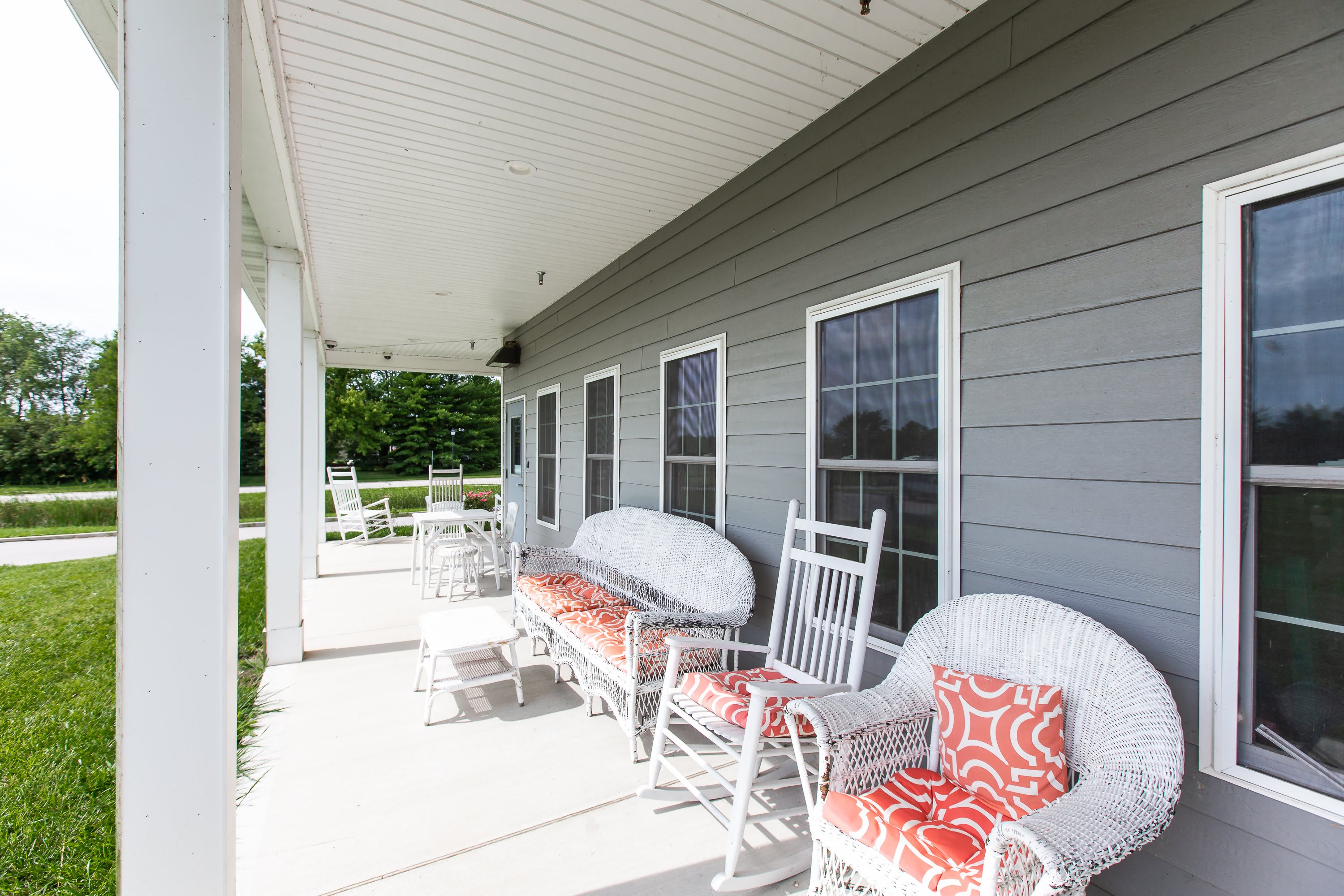
Caring for a parent or spouse at home can be rewarding, and it can also be exhausting. Many caregivers in O'Fallon, Shiloh, and across the Metro East go months without a real break, juggling medications, meals, appointments, work, and family. Respite care offers a planned pause: a short stay in a supportive, homelike setting where your loved one is cared for while you rest, travel, or recover from your own illness.
What respite care is
Respite care is short-term care that temporarily relieves a family caregiver. It can be provided at home, through an adult day program, or through a short residential stay. This guide focuses on residential respite, where your loved one stays in a furnished room, shares meals, and receives help with daily care for a set period.
Families commonly use respite:
- For a vacation, a family event, or simply rest
- When the caregiver is having surgery or is ill
- After a hospital discharge, when going straight home feels unsafe
- As a trial stay before considering a longer move
- During a military move or deployment that takes a family caregiver away for a time
What a respite stay usually includes
In an assisted living setting, a respite guest typically receives:
- A furnished room
- Three meals a day and snacks
- Help with bathing, dressing, grooming, and toileting
- Medication support
- Housekeeping and laundry
- Activities and social time
- Caregivers on-site around the clock
In Illinois, assisted living and shared housing establishments must provide a set of mandatory services, including three meals a day, housekeeping, laundry and linen service, 24-hour security, an emergency communication response system, and help with activities of daily living as each resident requires (210 ILCS 9/10).
What respite costs
There is no published O'Fallon or St. Louis-area figure for residential respite stays. Providers usually charge a daily rate, sometimes with a minimum stay, and the rate often depends on care needs. For context, CareScout's 2025 survey reports a St. Louis-area median of $6,050 a month for assisted living and $35 an hour for a home health aide (CareScout Cost of Care tool). A respite day rate is usually not just the monthly rate divided by 30, so ask for current short-stay pricing.
Ways to help pay for respite
AgeSmart caregiver respite
AgeSmart Community Resources lists respite for caregivers among its St. Clair County services. Call 618-222-2561 to ask about eligibility (AgeSmart Community Resources, St. Clair County services).
Medicare hospice respite
For people enrolled in Medicare hospice, Medicare covers short-term inpatient respite care that the hospice team arranges, so the caregiver can rest. The patient may pay 5% of the Medicare-approved amount for inpatient respite (Medicare, hospice care). Ask the hospice provider how respite stays are arranged and where they can take place.
VA respite care
VA's respite program pays for short-term care for enrolled veterans who need help with daily activities, through a home health aide, adult day health care, or a short nursing home stay (VA Geriatrics and Extended Care, Respite Care). VA does not list assisted living as a respite setting, so ask the VA St. Louis social work team which options apply.
Long-term care insurance
Some policies include a respite benefit. Check the policy or call the insurer.
Planning a respite stay
- Book early. Short-term rooms can be limited, especially in a smaller home.
- Share health information. Provide a medication list, physician contacts, allergies, and any discharge papers.
- Describe routines. Share wake-up and bedtime habits, favorite foods, hobbies, and what helps your loved one feel at ease.
- Pack familiar things. Photos, a favorite blanket, and comfortable clothes help.
- Plan contact. Decide how often you will call or visit and how staff will update you.
- Take the break. Rest is the point.
Respite for a loved one with dementia
A new place can be confusing at first for someone with memory loss. Shorter first stays, familiar objects, and clear information about routines help. A smaller, homelike setting can feel less overwhelming than a large building. Ask whether the provider's memory care can host respite guests. Our guide to memory care costs in O'Fallon explains what to look for in a dementia program.
Respite and adult day together
Some families use adult day services for regular weekday help and respite stays for longer breaks. The combination can make caregiving at home sustainable for longer. Our guide to adult day care in O'Fallon explains how adult day works.
Respite as a trial run
Many families use a respite stay to see whether residential living might work. Afterward, ask your loved one what they enjoyed and what they missed, and ask staff what they observed. If it goes well, our guide to choosing assisted living in O'Fallon can help.
What families often notice afterward
Caregivers often say the first respite stay was harder on them than on their loved one. It is normal to feel guilt, worry, and relief all at once. Many also find their loved one enjoyed the meals, the company, and the change of routine more than expected.
Caring for the caregiver
Caregiver burnout is real. Signs include constant fatigue, trouble sleeping, irritability, getting sick more often, and pulling away from friends. Respite is not a luxury or a sign of giving up. It helps many caregivers keep going, protects their own health, and often benefits the person receiving care, too. If you notice these signs in yourself, consider scheduling a respite stay before you reach a crisis point.
Questions to ask about respite
- Do you offer short-term stays, and is there a minimum or maximum length?
- What is the daily rate, and what does it include?
- What paperwork and health information do you need?
- Can respite guests join meals and activities?
- How will staff update the family?
- Can memory care host respite guests?
After the stay
When your loved one comes home, give everyone a day or two to settle back into routines. Ask staff for a short summary of how meals, sleep, and activities went, and note anything new they observed, such as changes in mobility or appetite. Share that information with your loved one's doctor if it seems important. Then put the next break on the calendar.
Talk with Joe's Place Caring Cottage
Joe's Place Caring Cottage offers respite care in a supervised, homelike setting, for caregiver rest, support after a hospital discharge, or a trial of cottage life. Respite guests receive help with daily activities and medications and join our dining and activities. Call (618) 607-9906 for current short-stay rates and availability.
Frequently asked questions
What is respite care?
Short-term care that gives family caregivers a break. In a residential setting, it includes a furnished room, meals, help with daily care, and activities.
How much does respite care cost in O'Fallon?
There is no published local figure. Providers usually charge a daily rate based on care needs, so call for current pricing.
Does Medicare pay for respite care?
Generally only for people enrolled in Medicare hospice, whose hospice team can arrange short-term inpatient respite. The patient may pay 5% of the Medicare-approved amount.
Is there local help paying for respite in St. Clair County?
AgeSmart Community Resources lists caregiver respite among its services. Call 618-222-2561.